
Why Most People React, but Few Practice Pattern Recognition

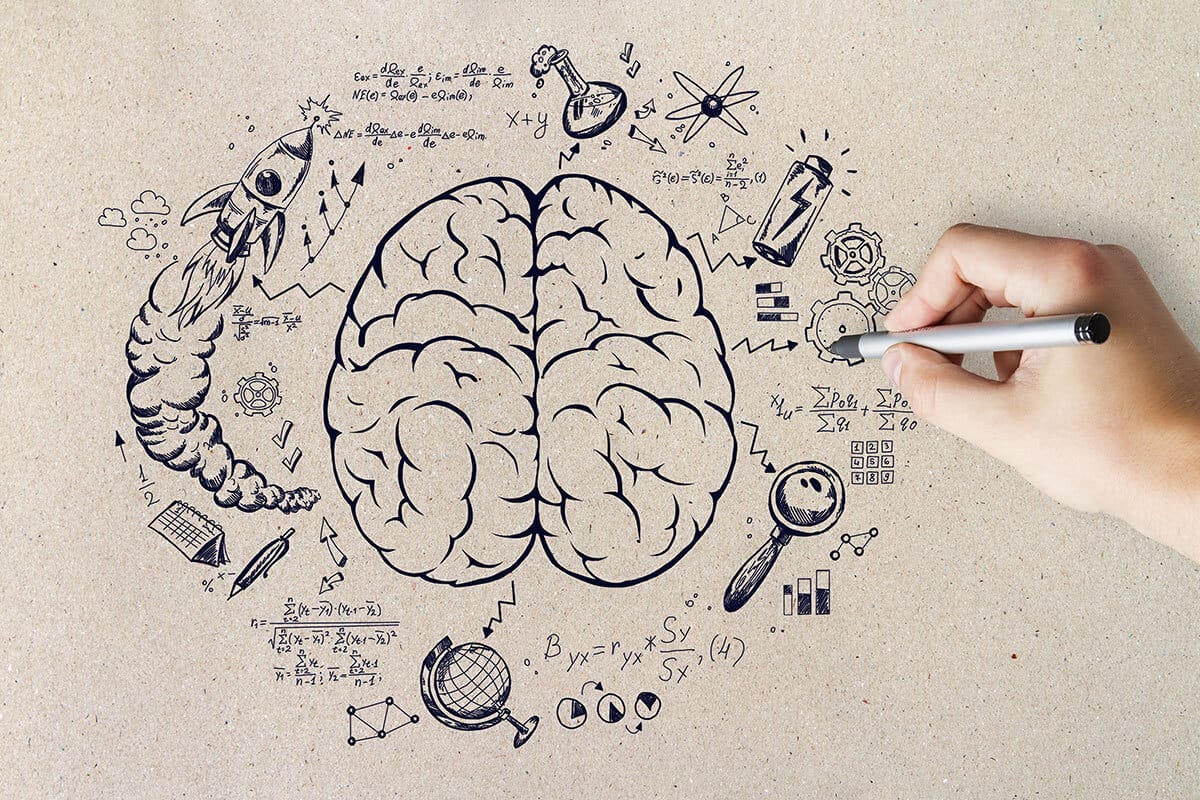
When I first created the ARC Framework, Adjust Perspective, Recognize Patterns, and Cultivate Insights, I wasn’t aiming to make a model for others. I was just trying to manage my own thoughts.
For years, I relied almost entirely on instinct. I made quick decisions, reacted on impulse, and changed direction without really knowing why. In both business and life, I kept myself busy and driven, always moving fast but not really making progress. Looking back, I see that I wasn’t thinking clearly. I was just reacting. I was motivated, but also a little irrational. This often happens because of something called the binocular trick, a cognitive distortion that makes us see events as more or less important than they really are, which can distort how we see ourselves and the world.
I didn’t lack ambition. I lacked awareness.
Being driven without understanding your own patterns is exhausting. It’s like using up energy but not getting anywhere — always busy, but rarely moving forward. That feeling of being lost and working hard without direction eventually made me slow down and look at how I think, not just what I think about.
To be fair, I was searching for answers. I read a lot of motivational books (about 40 to 60) and looked for inspiration or some real guidance. But as time went on, my thinking became more scattered, almost reactive, rather than clearer. Much of what I read actually made me more impulsive, rather than helping me live a peaceful life.
But in 2015, something finally changed. It wasn’t about discipline, motivation, or intelligence. What made the difference was learning to recognize patterns, both inside myself and in the world around me. I started to think more deeply by setting an Anchor, pausing, adjusting my perspective, noticing patterns, and letting insights come before I acted.
That pause changed everything.

The Mind Is Not a Recorder
An excellent book that has helped me with my journey was Ray Kurzweil’s How to Create a Mind. This book helped me understand how my mind and thought patterns work.
Kurzweil says the brain doesn’t keep memories like recordings. Instead, it stores patterns. When we remember something, we don’t replay the past — we rebuild it. The mind keeps pieces of experience, like emotion, context, and associations, and puts them together again when we remember.
This idea explains why memories change over time, why two people can remember the same event differently, and why reflecting often adds meaning. This flexibility comes from the brain’s ability to change and reorganize itself, called neuroplasticity. Our perception and memory are always shaped by our surroundings, experiences, and even treatments.
Realizing this helped me stop seeing my past as unchangeable facts. Instead, I began to see it as a source of repeating signals — patterns to look at, not judge.
How the Brain Actually Thinks
Kurzweil describes the brain as a large system of pattern recognizers, arranged from simple to complex. At the center is the neocortex, the latest evolutionary addition to the brain. The neocortex is good at spotting patterns, forming big ideas, and connecting thoughts.
Simple patterns combine into complex ones. Those complex patterns become concepts. Concepts shape beliefs, strategies, assumptions, and even identity.
This means intelligence isn’t about logic or having lots of knowledge. It’s about how well we notice, organize, and connect patterns. We don’t experience reality as it is — we interpret it. Our minds are always looking for things that are familiar, repeated, different, or meaningful. What we pay attention to, and what we miss, is usually shaped by the patterns we’ve learned to notice or ignore.
Once I understood this, a lot of my past behavior finally made sense. My reactions weren’t random. They were patterned.
Emotion: The Hidden Filter
What often gets overlooked in conversations about intelligence is that the neocortex doesn’t operate in isolation. It works through layers of older emotional systems that evolved long before rational thought.
Those systems screen situations first, assessing threat, safety, and reward. Only then does higher-level reasoning engage.
Emotion isn’t a problem in thinking. It’s a filter. Stress makes it harder to notice your surroundings, while calmness provides clarity. Fear makes our view smaller, but being calm opens it up. That’s why we rarely find solutions when we’re reacting quickly. It comes when we slow down. How we handle our emotions and thoughts affects our emotional health, and unhelpful thinking patterns can make things worse.
For me, this was humbling. It explained why some of my so-called logical decisions weren’t logical at all. They were emotionally biased reactions masquerading as rationality. This is often due to emotional reasoning, a cognitive distortion in which we interpret our feelings as facts, leading to distorted thinking and misjudgments.
When I began to look more honestly, a few emotional patterns consistently showed up in my thinking: approval-seeking, a need for control, and a fear of stagnation. By pausing... and naming these patterns, I created awareness and allowed my thoughts to move in an orderly way rather than as random impulses lacking control.
In other words, when I stopped seeing my mental habits as problems and started seeing them as signals, I could work with them instead of letting them control me. Realizing that feelings are personal experiences that shape our thoughts and actions is key to understanding how emotions affect what we notice and believe.
Understanding the interconnectedness of thoughts and feelings is essential, as it helps us identify and challenge cognitive distortions that impact our mental and emotional well-being.
Pattern Recognition Is Intelligence
If intelligence is about recognizing patterns, then learning isn’t just about gathering more facts. It’s about organizing patterns to help you handle life better. That’s what really matters.
The brain doesn’t reward speed. It rewards awareness.
When I stopped looking for quick answers and started noticing repeated thoughts and behaviors, things became clearer. Thinking about what might happen if I notice or miss these patterns helps me make better choices. It didn’t happen all at once, but over time, what used to feel confusing started to make sense.
That’s when I realized something important: most people don’t struggle because they lack information. They struggle because they don’t notice patterns, and they don’t have an Anchor or a clear perspective to help them understand what those patterns mean.

Why Reactions Feel Easier Than Recognition
Noticing patterns means slowing down, and slowing down can make people feel vulnerable in a world that values speed.
This is where Ozan Varol’s work, author of Think Like a Rocket Scientist, becomes relevant. Varol explains that elite problem-solvers don’t rush to answers. They reduce noise.
Rocket scientists strip problems down to first principles. They question assumptions others take for granted. Most people don’t. We react to inherited assumptions. Over time, those assumptions harden into defaults, and defaults feel like instincts.
That’s the danger, the risk. What seems like intuition is often just repeating old habits without thinking. Unhelpful thoughts can turn into patterns that make us react automatically, distorting how we see things and leading to choices that don’t help us.
According to an article by the National Library of Medicine, the study explains that distorted patterns play a significant role in shaping our mental health and overall well-being. These patterns, often called cognitive distortions, can lead to persistent negative emotions, heightened anxiety, and even depression. When our thinking becomes distorted, we’re more likely to interpret situations in ways that reinforce negative beliefs about ourselves and the world. Over time, these patterns can become automatic, making it difficult to break free from cycles of negative thinking.
Noticing and changing unhelpful thinking patterns is an important step for better mental health. When we learn to spot these patterns, we can challenge and replace them with more balanced and realistic thoughts. This helps lower negative feelings and builds emotional strength. Knowing the different types of distorted thinking is the first step to healthier thoughts and a more positive outlook.
All-Or-Nothing Thinking
All-or-nothing thinking, sometimes called black-and-white thinking or polarized thinking, is one of the most common cognitive distortions. This pattern involves seeing situations in extremes, with no room for nuance or middle ground. For example, you might think, “If I don’t succeed perfectly, I’m a total failure,” or “If one thing goes wrong, everything is ruined.” This kind of thinking sets up unrealistic expectations and can quickly erode self-worth, leading to heightened anxiety and a constant fear of falling short.
The trouble with all-or-nothing thinking is that it overlooks the reality of life. Most things aren’t a total success or a complete failure. When we see things this way, we often feel discouraged and miss our own strengths or achievements. Over time, this can lead to low self-esteem and a sense that we’re never enough.
This is a powerful antidote to all-or-nothing thinking. By acknowledging that everyone makes mistakes and that perfection is unattainable, we can begin to reframe cognitive distortions and develop a more balanced perspective. Instead of labeling ourselves as failures, we can recognize our efforts and progress, even when things don’t go exactly as planned. This shift in thinking not only reduces anxiety but also supports greater self-esteem and emotional well-being.

Negative Thinking Patterns
Negative thinking patterns, such as mental filtering, fortune-telling, and negative filtering, can have a profound impact on our mental health. These patterns often involve focusing exclusively on the negative aspects of a situation, predicting negative outcomes, or assuming the worst will happen. For example, thoughts like “I’ll never be able to do this,” or “Something bad is bound to happen,” are classic signs of negative thinking and cognitive distortions.
Negative thinking patterns or cognitive distortions can become stronger due to past experiences, emotional reactions, and unrealistic expectations. For example, if someone has faced many setbacks, they might start to expect failure and ignore any positive feedback or success. This way of thinking can create a cycle of low self-esteem, more anxiety, and even depression, as the brain gets used to focusing on the negative.
Developing pattern recognition skills is essential for breaking free from these distorted thinking patterns. By learning to identify negative thoughts as they arise, we can challenge their accuracy and replace them with more realistic, positive alternatives.
Techniques such as cognitive restructuring, used in cognitive therapy, help individuals reframe cognitive distortions and develop healthier thinking patterns. Positive self-talk, self-compassion, and focusing on positive experiences are all effective strategies for improving mental health and emotional well-being.
The brain’s ability to change, neuroplasticity, is important. By pausing and practicing new ways of thinking, we can train our brains to process more systematically toward positive outcomes. This doesn’t mean ignoring problems or pretending everything is fine. It means finding a balanced view that sees both our strengths and areas for improvement.
Noticing and working on negative thinking patterns is key to better mental health and building resilience. By being kind to ourselves, changing unhelpful thoughts, and getting better at spotting patterns, we can change how we think, feel better, and develop a more positive and satisfying life.
First Principles Reveal Hidden Patterns
Learning to spot patterns isn’t only about seeing what repeats. It’s also about asking what’s behind those patterns. First-principles thinking means asking what we assume is true, which rules we follow just because they’ve always been there, and what’s left if we break things down to the basics.
This is what pattern recognition really means in practice: removing distractions to see what’s truly repeating. Taking that pause, whether in your personal or work life, helps build humility. It also lets you act with purpose rather than just react.
This is why people can be very busy but still feel stuck. Reacting adds noise, while recognizing patterns helps you find what matters. Once you identify the important signal, you can use it in a positive, meaningful way.
One of the biggest mistakes I made, and still notice in others, is trying to find insight too soon. It emerges after patterns stabilize. When patterns repeat, connect, and align, clarity follows naturally. Trying to force insight without understanding the underlying patterns leads to shallow conclusions and misplaced confidence.
Seeing clearly precedes acting wisely. Not the other way around.

Rethinking as a Human Skill
This is where Adam Grant and his book Think Again bring the picture full circle.
Grant argues that rethinking isn’t a personality trait. It’s a skill. And one that most people avoid.
When we face new information, we often defend what we already believe. Our beliefs are tied to who we are, so anything that challenges them feels like a threat rather than a helpful signal. Building self-worth and using positive self-talk, like affirmations from your Anchor, can help us become more open to rethinking and changing our beliefs. This makes it easier to see our identity as separate from our ideas.
This is where reaction replaces recognition.
Grant talks about confident humility, which means holding your beliefs firmly enough to act, but being willing to change them if needed. Positive ways to challenge and change negative thoughts, such as using cognitive-behavioral tools like Socratic questioning, can help us respond more effectively emotionally and rethink our ideas. I often ask myself, where might my confidence be stopping me from rethinking something that needs another look? That question has become a regular check for me.
Pattern recognition improves when beliefs are treated as working theories rather than permanent conclusions.
Pattern Recognition in an AI World
Artificial intelligence is exceptionally good at recognizing patterns, often faster and on a bigger scale than people. But it doesn’t give those patterns meaning, understand the results, or take responsibility. In a world where AI is advancing, the ability to rethink is a key human skill. As machines find patterns, our value comes from how we interpret them. People who hold on to old ideas will miss new signals — not because the data is missing, but because they don’t want to rethink their views.
Tools can accelerate insight.
But only humans can change our minds.

Where Clarity Begins
Pattern recognition is like noticing a green Buick — once you spot one, you start seeing them everywhere. The same thing happens inside and outside of us. When you have an Anchor, adjust your perspective and notice patterns, whether good or bad, you start to give meaning or context to your thoughts instead of letting random ideas run and take over. It’s important to avoid overgeneralizing from a single event, as this can create faulty expectations about future events.
Gathering evidence to support these assumptions helps challenge and reframe thought distortions. Recognizing distortions is crucial for avoiding distorted thoughts and improving mental health conditions. Addressing these disorders often involves identifying and reframing thought distortions. Additionally, not dismissing positive, similar experiences can help build a more balanced and realistic perspective.
From that point, you can begin developing insights. Your actions become more intentional, and your progress finally matches your goals.
For me, learning patterns changed more than just my thinking. It changed my life. It helped me slow down and understand myself, my choices, and where I was going.